Northeastern Brazil — especially the states of Ceará and Rio Grande do Norte — is at the heart of a transformation that brings together economic development, sustainability, and lifestyle. Driven by the region’s constant and steady coastal winds, the so-called “wind season” (from August to February) has positioned the area as a global powerhouse in wind energy and one of the most promising ecosystems for clean-energy investment and sustainable tourism.
The combination of strong, stable winds, low atmospheric turbulence, and vast coastal areas has made the Northeast a strategic territory for wind farms.
Over the past 20 years, billions of reais have been invested by both domestic and international companies, turning Rio Grande do Norte into the national leader in wind power generation and Ceará into an innovation and sustainability hub, where wind, solar, and green hydrogen projects move forward hand in hand.
In addition to ensuring one of the cleanest energy matrices in the country, the sector has created opportunities for international partnerships, technology transfer, and the expansion of port and industrial infrastructure. The outlook is one of continuous growth, marked by the arrival of European and Asian companies — particularly from Spain, Portugal, Germany, and China — attracted by ideal weather conditions, tax incentives, and legal stability.
The same winds that drive turbines also propel boards and sails. The coasts of Ceará and Rio Grande do Norte have become synonymous with freedom and adventure, home to destinations like Jericoacoara, Canoa Quebrada, Icaraizinho, Fortim, Camocim, and Pipa — now global icons for kite and windsurfing.
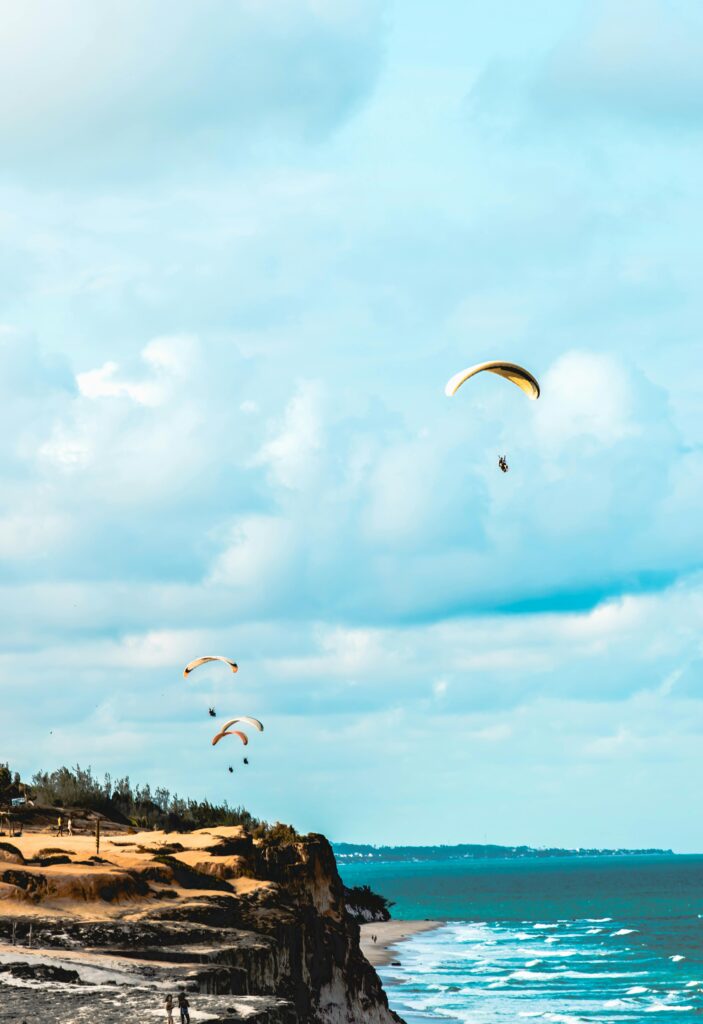
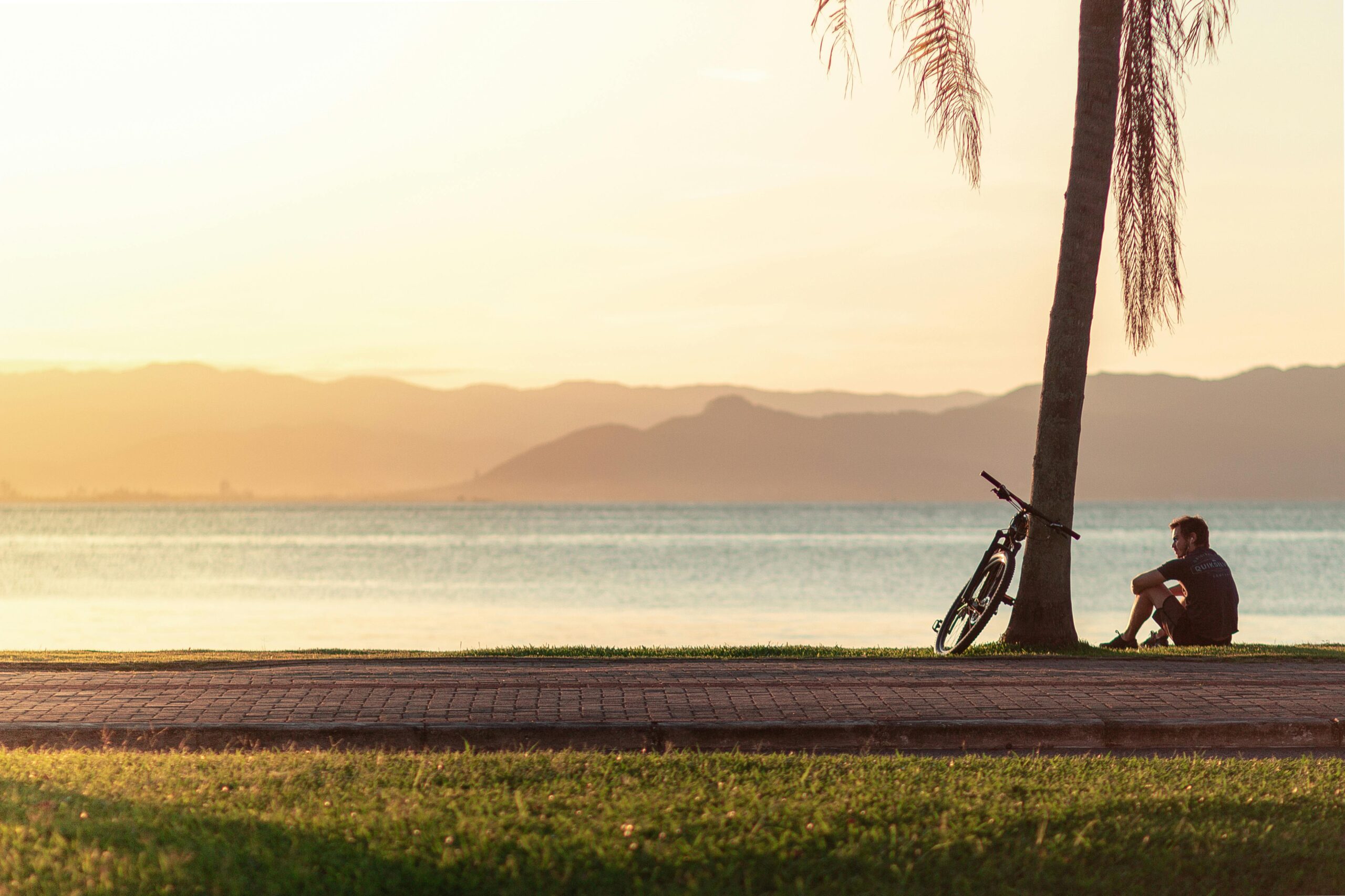
These beaches attract not only athletes but also entrepreneurs, investors, and foreigners seeking a relaxed lifestyle connected to nature and with a low cost of living. Many Europeans — especially Italians, Spaniards, Portuguese, and French — first arrived as tourists and ended up staying for good, opening businesses, purchasing real estate, and helping to build cosmopolitan and sustainable communities.
The economic impact of this wind revolution is evident: new jobs, small local businesses, and complete production chains have emerged — from surf and kitesurf schools to eco-lodges, boutique hotels, and international restaurants. The region now experiences a virtuous cycle where clean energy, economic growth, and real estate appreciation advance together.
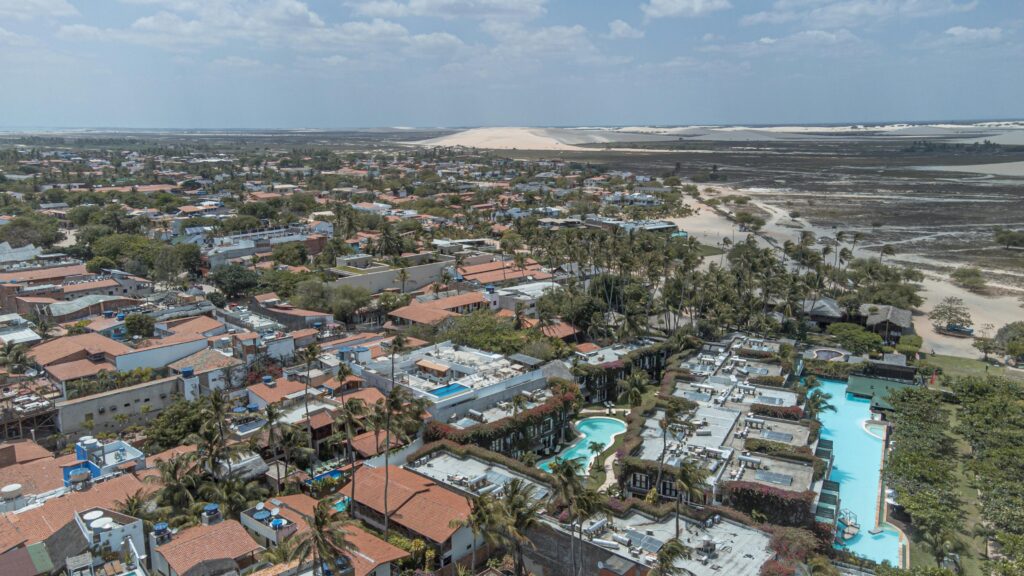
The Northeast of Brazil is now the meeting point where energy, tourism, and sustainability converge.
It offers an expanding business environment, high quality of life, and strong global investment potential.
Would you like to understand how to be part of this revolution — whether by investing, starting a business, or living between the sun and the wind?
Seek specialized guidance and discover how the Northeast can become your next destination for growth and sustainable prosperity.